
When our little boy is barely six-months old, a thought pops into our mind. As a parent, how are we going to teach the bible to our kid at a young age?
If you’re a parent with a little one, you might probably think of the same. Yeah, there are lots of new tools right now. But for us, tools like videos, apps, and other related-materials are not an option in our parenting style.
And if you think the same, this article is for you.
The good news is this: teaching the Bible to preschoolers doesn’t have to be complicated.
Young children don’t need long lessons or perfect explanations. They need loving parents who consistently point them to God through simple conversations, stories, and everyday moments.
In this guide, we’ll walk through practical ways to introduce the Bible to your preschooler, build meaningful family devotions, and help your little one develop a love for God’s Word.
Why Start Teaching the Bible During the Preschool Years?
Preschoolers are naturally curious. They’re constantly asking questions, observing the world around them, and learning through repetition.
This makes the preschool years one of the best times to begin Bible learning for preschoolers.
At this age, children may not understand every Bible story, but they can begin learning simple truths like:
- God made everything.
- Jesus loves me.
- God always keeps His promises.
- We can pray anytime.
- God wants us to be kind to others.
These foundational truths become building blocks that grow with them over the years.
Remember: Your Goal Isn’t to Finish the Bible
One of the biggest misconceptions in Christian parenting is thinking we need to teach our children everything all at once.
You don’t.
Your goal isn’t to finish every Bible story before kindergarten.
Your goal is much simpler:
Help your child see that the Bible is God’s special book and that learning about Him is joyful.
Even five intentional minutes each day can make a lasting impact.
Choose a Bible That’s Right for Your Preschooler
One question I hear often is, “Which Bible should I use?”
The truth is, you don’t need the biggest children’s Bible or the one with the most stories. What matters most is choosing a Bible your preschooler will actually enjoy spending time with.
Look for a Bible that includes:
- Colorful, engaging illustrations
- Simple, age-appropriate language
- Short stories that can be read in just a few minutes
- Durable pages that little hands can turn
- And of course, the one that depicts real bible stories.
Don’t worry if your child wants to look at the pictures more than they listen to the words. Pictures help young children connect with the story and remember what they’ve learned.
And remember—you don’t have to read the Bible from beginning to end. It’s perfectly okay to start with familiar stories and revisit them often. Preschoolers thrive on repetition, and hearing the same stories again helps them remember God’s love and faithfulness.
Start with Simple Bible Stories
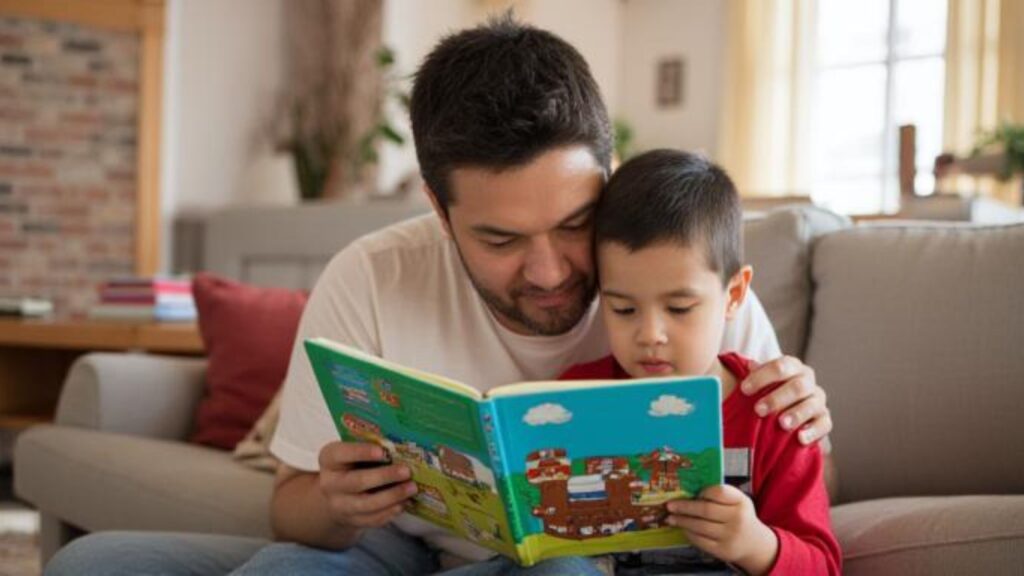
When introducing children to the Bible, choose stories that are easy to understand and filled with memorable characters.
Some wonderful Bible stories for preschoolers include:
- Creation
- Noah’s Ark
- David and Goliath
- Daniel and the Lions’ Den
- Jonah and the Big Fish
- Jesus Calms the Storm
- Jesus Feeds the Five Thousand
- The Lost Sheep
- Zacchaeus
- The Good Samaritan
Instead of focusing on every detail, ask simple questions like:
- Who made the animals?
- How do you think Noah felt?
- What did Jesus do?
- What can we learn from this story?
These conversations help children engage with Scripture rather than simply listening.
Keep Bible Time Short and Consistent
One of the best pieces of advice for parents is this:
Short is better than long.
Preschoolers have naturally short attention spans, so aim for just 5–10 minutes of Bible time for kids.
A simple routine might look like this:
- Read one short Bible story.
- Ask one or two questions.
- Say a short prayer together.
- Sing a simple worship song.
- Finish with a colouring page or hands-on activity.
Consistency matters much more than length.
Make Learning Interactive
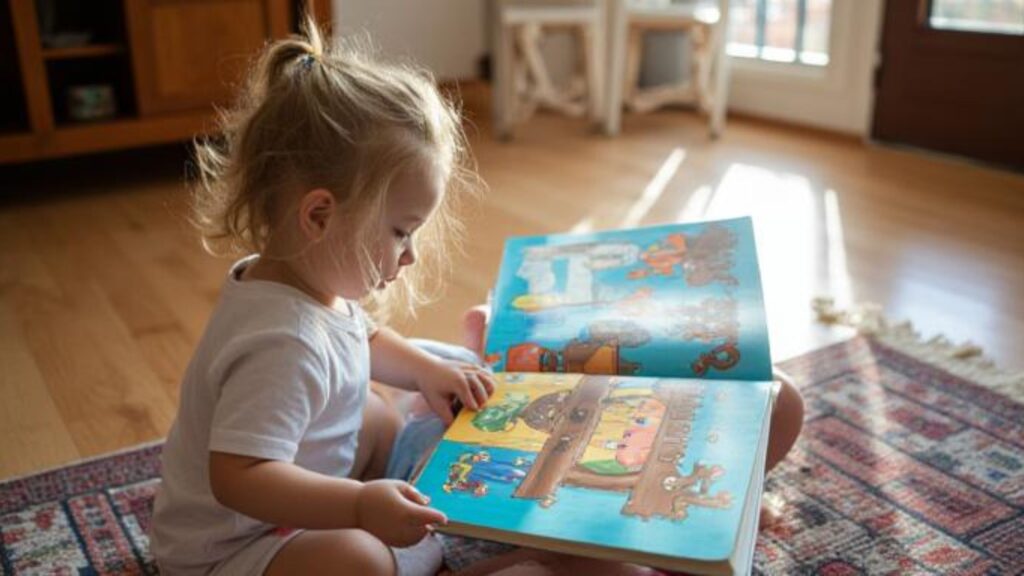
Children learn by doing.
Instead of only reading stories, invite your preschooler to experience them through play.
Here are a few ideas:
- Colour Bible scenes together.
- Act out stories using stuffed animals.
- Build Noah’s Ark with blocks.
- Match animals two by two.
- Practise simple Bible memory verses.
- Create Bible-themed crafts.
- Sing songs about Jesus.
- Play simple Bible matching games.
Really, you just need to be creative.
These preschool Bible lessons become much more memorable when children can see, touch, move, and create.
Focus on One Truth at a Time
After each Bible story, choose one simple takeaway.
For example:
Creation
“God made everything.”
Noah’s Ark
“God always keeps His promises.”
David and Goliath
“God helps us be brave.”
Jesus Calms the Storm
“Jesus is always with us.”
Preschoolers don’t need lengthy theological explanations.
One clear truth is enough.
Use Everyday Moments to Talk About God
Teaching the Bible isn’t limited to a scheduled lesson.
Some of the best opportunities happen naturally throughout the day.
During breakfast:
“Let’s thank God for our food.”
On a walk:
“Look at the beautiful flowers God created.”
When your child is scared:
“Remember, God is always with us.”
Before bedtime:
Read one short Bible story and pray together.
These everyday conversations help children see that faith isn’t something we do only on Sundays—it’s part of daily life.
A Simple 10-Minute Bible Routine
If you’re wondering what Bible time can actually look like, here’s an easy routine you can try at home.
Minute 1 – Start with Prayer
Keep it simple.
“Dear God, thank You for loving us. Help us learn more about You today. Amen.”
Minutes 2–5 – Read One Bible Story
Choose one short story and read it slowly. Don’t worry about covering multiple chapters.
Minutes 6–7 – Ask One or Two Questions
For example:
- Who helped Noah?
- Who made the animals?
- What did Jesus teach us?
There’s no pressure for perfect answers. The goal is simply to encourage conversation.
Minutes 8–9 – Do a Simple Activity
This could be:
- Colouring a Bible picture
- Acting out the story
- Building with blocks
- Matching Bible characters
- Singing a worship song
Minute 10 – End with Prayer
Invite your preschooler to thank God or pray for someone they love.
Just ten minutes can become one of the most meaningful parts of your day. But it will not hurt also if you extend a little bit of time, as long as your little one enjoys it.
Let Your Child Ask Questions
Preschoolers are wonderfully curious.
Some questions may surprise you.
Others may leave you searching for an answer.
That’s okay.
If your child asks something you don’t know, it’s perfectly fine to say:
“That’s a great question. Let’s learn about it together.”
Your child doesn’t need a parent who knows everything.
They need a parent who is willing to keep learning too.
Don’t Worry About Being Perfect
Many parents hesitate because they feel unqualified.
Maybe you didn’t grow up reading the Bible.
Maybe you’re still learning yourself.
Remember this:
Your child won’t remember whether you pronounced every Bible name correctly.
They’ll remember sitting beside you.
They’ll remember praying together.
They’ll remember hearing that Jesus loves them.
Those moments matter far more than perfect lessons.
Common Mistakes Parents Make
If you’re new to family devotions, don’t be discouraged if things don’t go exactly as planned. Most parents make these mistakes at some point.
Trying to Teach Too Much
It’s tempting to explain every detail of a Bible story, but preschoolers learn best through simple truths. Focus on one main lesson and revisit it throughout the week.
Expecting Perfect Attention
Young children wiggle, ask unrelated questions, and sometimes lose interest halfway through a story. That’s completely normal. Learning is still happening.
Making Bible Time Feel Like School
Bible time shouldn’t feel like another lesson your child has to complete. Keep it relaxed, joyful, and interactive.
Giving Up After Missing a Day
Life gets busy. If you miss a day, or even a week, simply start again. Consistency matters more than perfection.
Build a Simple Weekly Bible Routine
Having a routine removes the pressure of deciding what to do each day.
Here’s one example:
Monday – Read a Bible story
Tuesday – Colour a Bible picture
Wednesday – Learn one memory verse
Thursday – Make a simple Bible craft
Friday – Pray together and review the week’s story
Keeping your routine flexible makes it easier to stay consistent.
What If My Preschooler Isn’t Interested?
Every child learns differently.
Some preschoolers will happily sit through an entire Bible story, while others may only listen for a minute before wandering off to play.
That’s okay.
Don’t measure success by how quietly your child sits.
Instead, look for small signs of curiosity.
Maybe they remember Noah’s Ark when they see animals.
Maybe they ask questions about Jesus before bedtime.
Maybe they start praying on their own.
These little moments are evidence that God’s Word is taking root in their hearts.
If one activity doesn’t capture their attention, try another. Read a story one day, colour the next, sing a song another day, or build an ark with toy blocks.
The goal isn’t to force learning—it’s to help your child associate the Bible with love, joy, and time spent together.
Celebrate Small Steps
Some days your preschooler will listen attentively.
Other days they’ll be more interested in their toy dinosaur than David and Goliath.
That’s normal.
Faith grows little by little.
Every story you read…
Every prayer you whisper…
Every conversation about God’s love…
They’re all planting seeds.
Trust that God is at work, even when you can’t see immediate results.
Signs Your Preschooler Is Growing in Faith
As parents, it’s easy to wonder whether our children are really understanding what we’re teaching.
While spiritual growth looks different for every child, here are a few encouraging signs to watch for:
- They begin remembering Bible story characters.
- They ask thoughtful questions about God.
- They enjoy praying with the family.
- They sing worship songs throughout the day.
- They show kindness after hearing Bible stories.
- They remind you about Bible time.
- They repeat simple memory verses.
- They talk about God’s creation during everyday activities.
These moments may seem small, but they are beautiful reminders that faith often grows quietly, one conversation at a time.
Frequently Asked Questions
What is the best age to introduce the Bible to a child?
It’s never too early. Even toddlers and preschoolers can begin learning simple Bible stories, songs, and prayers that introduce them to God’s love.
How long should Bible time be for preschoolers?
Five to ten minutes is usually enough. Keeping Bible time short, engaging, and consistent is more effective than longer lessons.
What Bible stories should I teach first?
Start with familiar stories such as Creation, Noah’s Ark, David and Goliath, Daniel and the Lions’ Den, Jesus Calming the Storm, and the Good Samaritan. These stories are easy for young children to understand and offer simple, memorable lessons.
What if my child doesn’t pay attention?
That’s completely normal. Preschoolers learn through repetition and play. Keep activities interactive, ask simple questions, and don’t worry if every lesson doesn’t go as planned.
Final Thoughts: How to Introduce the Bible to Your Preschooler? Make it a Lifestyle.
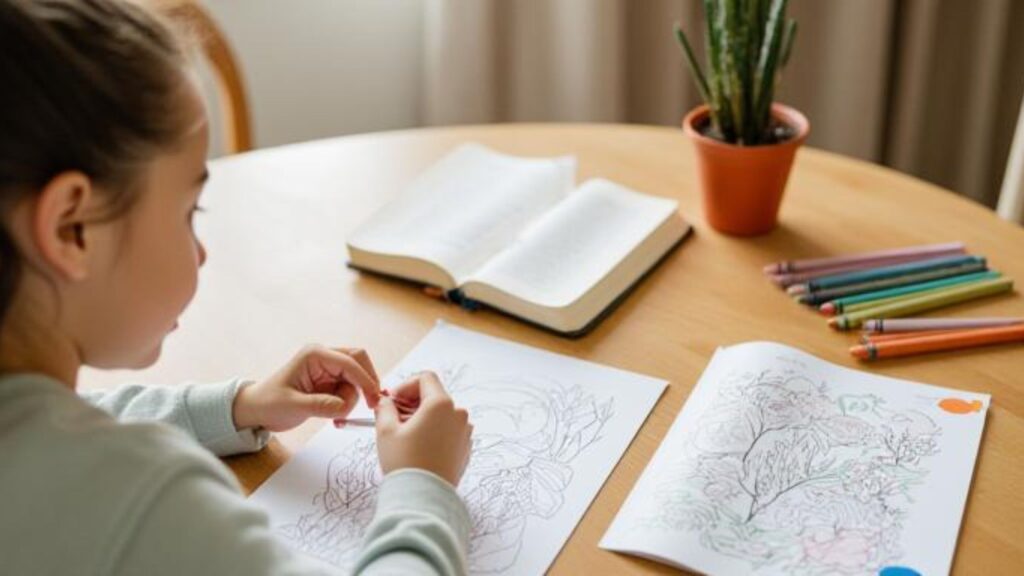
Introducing the Bible to your preschooler isn’t about checking off lessons or having all the right answers. It’s about creating a home where your child sees that God’s Word is loved, talked about, and lived out.
Start small. Read one story. Say one prayer. Celebrate one simple truth.
Over time, those little moments can grow into a lifelong foundation of faith.
If you’re looking for fun, hands-on ways to continue your child’s Bible journey, explore our collection of free Bible activities, colouring pages, and preschool printables designed to make learning about God joyful, engaging, and age-appropriate.